Uncategorized
Why Is the Snow Bunny Sweatshirt Recalled?
Nov
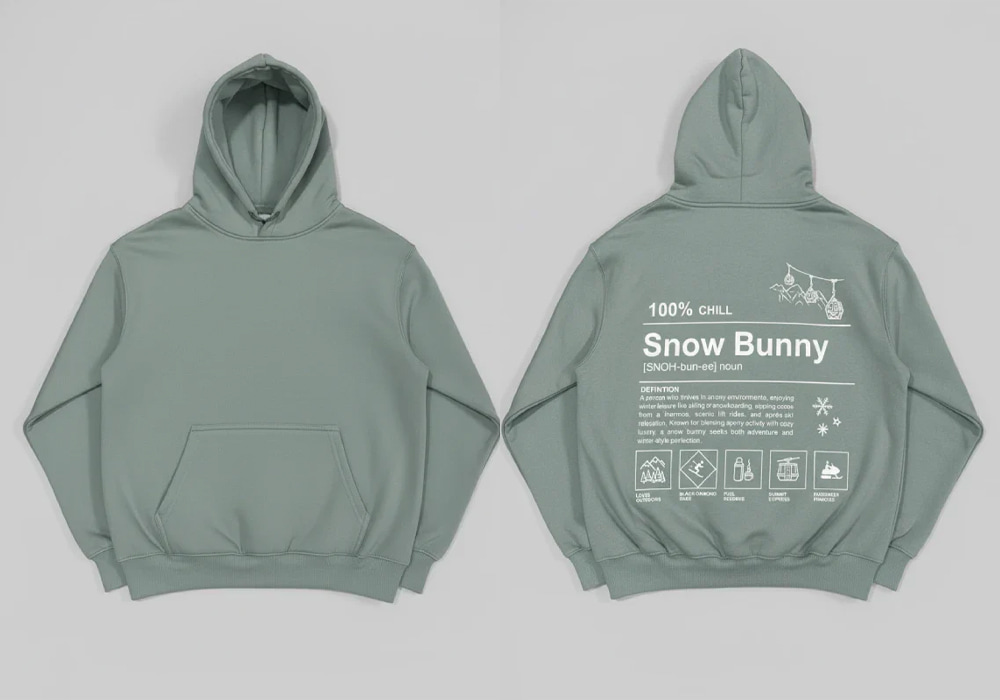
In late October 2025, a seemingly innocent winter-themed hoodie from Target’s Wild Fable line exploded into viral fame—and infamy—across social media platforms like TikTok, Instagram, and Reddit. Dubbed the “Snow Bunny” sweatshirt, it features playful graphics and text like “100% Certified Snow Bunny,” intended to evoke cozy ski slopes and winter fun. However, the item was swiftly pulled from shelves and the website amid growing controversy, sparking a rush of shoppers hunting for remaining stock and resellers flipping them online. But is it truly a “recall,” or something else? This blog dives into the story behind the hype, exploring how a cute design turned into a cultural flashpoint. As of November 10, 2025, the saga highlights the pitfalls of slang in retail and the power of online discourse.
The Design and Its Origins
The Snow Bunny sweatshirt is part of Target’s affordable Wild Fable collection, targeted at young women with trendy, oversized hoodies in colors like sage green, pink, and gray. Priced around $24-$30, it was designed as a fun, seasonal piece with embroidered or printed text celebrating “snow bunnies” as novice skiers or winter enthusiasts—think bunny slopes at ski resorts. Launched in the fall of 2025, it quickly gained traction for its cozy appeal and Instagram-worthy aesthetic. Shoppers initially praised it for being a cute, empowering nod to winter sports, with early TikToks showing hauls and styling ideas. However, the design’s approval process apparently overlooked modern slang interpretations, leading to its rapid downfall.
The Controversial Slang Meaning
What turned this hoodie from a must-have to a hot-button issue is the term “snow bunny” itself. While traditionally linked to skiing, in urban slang dating back to the 1970s or 1980s, it often refers to a white woman who preferentially dates Black men—a connotation that can be seen as fetishizing, derogatory, or racially charged. Social media users, particularly on Reddit and TikTok, pointed out this double meaning, criticizing Target for cultural insensitivity. Comments flooded in about how the design likely passed without input from diverse teams, with one Redditor noting, “Easy way to tell that this design wasn’t ran by a single black person. embarrassing!” The backlash emphasized broader issues in retail, like the need for better research on phrases via tools like Urban Dictionary to avoid unintended offenses.
@hannahmang0 Ya’ll are so soft they wouldn’t let me buy it 😩 @target #target #targetfinds #shopping #girlythings #foryoupage
Target’s Response and Public Reaction
Target didn’t issue a formal safety recall (which are reserved for hazards like defects), but employees reported the hoodies being boxed up, marked “do not sell,” or destroyed to prevent further sales. This proactive discontinuation came swiftly after the controversy went viral, with the product vanishing from Target’s website by late October 2025. Public reactions were mixed: some found it hilarious and snapped up remaining items for memes or resale, while others decried it as “gross” or a sign of poor oversight. On Instagram and TikTok, videos of “recall hunts” racked up millions of views, turning the incident into a cultural meme. Ultimately, this episode serves as a lesson for brands on navigating slang in a hyper-connected world, potentially influencing future designs to prioritize inclusivity.
