
Sports
Blake Treinen Dodgers Pride Hat: The Full Story Behind the Viral Moment
Jun
One Hat. One Decision. One Night That Stopped Baseball in Its Tracks.
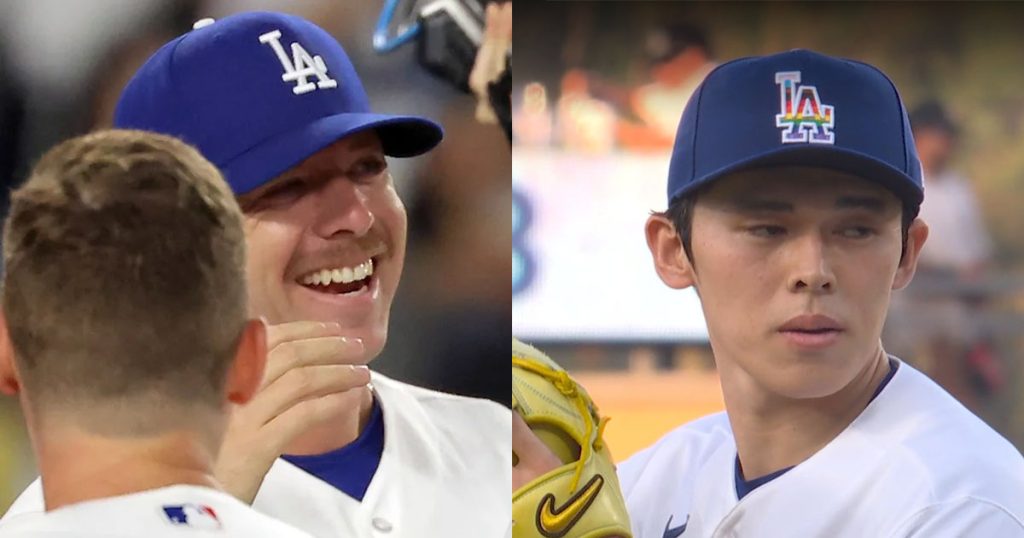
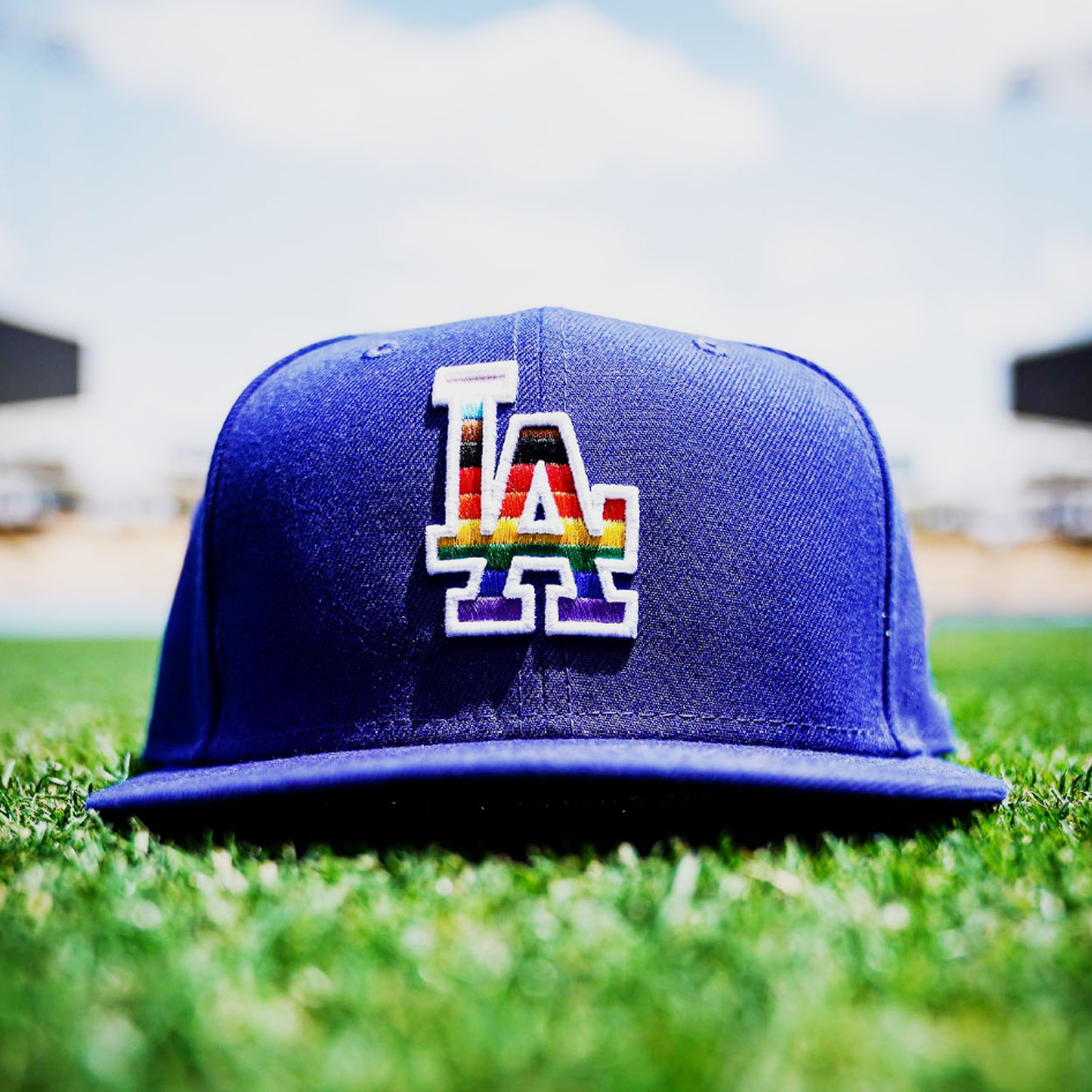
On the evening of June 5, 2026, the Los Angeles Dodgers hosted their annual Pride Night at Uniqlo Field against the Los Angeles Angels. Every player on the Dodgers roster wore the team’s LGBTQ+-inspired rainbow “LA” hat — the same hat the club has worn during Pride Month since 2022. Every player, that is, except one. When reliever Blake Treinen jogged out of the bullpen in the top of the ninth inning, he was wearing the Dodgers’ standard blue and white “LA” cap. No rainbow. No Pride logo. Just the same hat he wears every other night of the season.
That single, silent choice instantly became the most-talked-about moment of the game — and one of the most viral baseball stories of 2026.
What Exactly Happened on Pride Night?
The game itself was a tightly contested 1-0 affair, ultimately decided by a walk-off home run from Freddie Freeman in the bottom of the ninth. But before Freeman’s heroics, all eyes had shifted to Treinen when he took the mound — not because of his pitching, but because of what was sitting on top of his head.
The contrast was immediate and impossible to miss. His teammates, including Mookie Betts and manager Dave Roberts — both self-professed Christians — wore the rainbow-adorned hats without issue. Treinen wore blue and white. No statement was made publicly. No press conference. No social media post. Just a hat — or rather, the absence of one.
“The Dodgers have worn the LGBTQ+-inspired hats annually since they first did it during a road game against the Giants in 2022 — the first time two teams wore rainbow hats during the same game.”
Who Is Blake Treinen — And Why Does This Keep Happening?
Blake Treinen is not a player who stumbled accidentally into controversy. Born in Wichita, Kansas in 1988 and educated at Baker University — a private Christian college — Treinen has spoken openly about his Roman Catholic faith throughout his career. He participates in team Bible studies, regularly credits God in postgame interviews, and has never shied away from letting his religious convictions shape his public actions.
This was not his first Pride Night moment. In 2023, when the Dodgers invited the Sisters of Perpetual Indulgence — a group that dresses in drag as Catholic nuns — to be honored at Dodger Stadium, Treinen issued a sharp public statement calling their performances “blasphemous” and their work a display of “hate and mockery of Catholics and the Christian faith.” He added: “My convictions in Jesus Christ will always come first.” The Dodgers ultimately dropped, reinstated, and then dropped the invitation again amid enormous public pressure.
Last fall, he made headlines again by honoring the late Charlie Kirk with his cap. And now, Pride Night 2026 has added another chapter to one of baseball’s most consistent stories of faith in the spotlight.
The Kershaw Comparison — A Different Kind of Protest
Treinen is not the only deeply religious Dodger to navigate Pride Night carefully. Clayton Kershaw — perhaps the most prominent Christian athlete in baseball history — found his own approach during a previous Pride Night: he wore the rainbow hat, but handwrote a Bible verse next to the Pride logo. “Gen 9:12-16” referenced God’s covenant with Noah — a passage where the rainbow is a symbol of God’s promise, not of Pride Month. It was a quiet, layered statement that drew its own wave of reaction.
Treinen’s approach in 2026 was starker. No hat, no verse, no explanation. Just a blue cap and nine pitches in the ninth inning.
The Online Reaction: Divided, Loud, and Immediate
Social media split almost instantly. Supporters praised Treinen for standing firm in his convictions without grandstanding — pointing to the NHL’s decision to move away from mandatory Pride jerseys during warmups as a precedent that religious players deserve room to opt out. Critics argued that wearing a hat is a small gesture of inclusion that costs nothing, and that opting out sends a message regardless of intent.
Notably, another Christian on the roster — catcher Alex Call — was seen wearing a headband throughout the evening, making it unclear whether he wore the Pride hat at any point during the game. The nuance was not lost on observers tracking the story closely.
What everyone agreed on: in a 1-0 game sealed by a walk-off home run, the hat was the story.
The Blake Treinen Dodgers Pride Hat — Now a Collector’s Item
Within hours of the story breaking, demand surged for both versions of the hat tied to this moment: the Dodgers Pride Night rainbow “LA” cap that the rest of the team wore, and the classic blue and white Dodgers “LA” cap that Treinen chose instead. Both have become symbolic — one representing inclusion and the Dodgers’ annual Pride tradition, the other representing a quiet act of personal conviction that stopped the baseball world mid-game.
For fans and collectors, the Blake Treinen Dodgers Pride Hat story has made both designs culturally significant artifacts from one of the most-discussed nights of the 2026 MLB season.
More Than a Hat — A Mirror Held Up to Baseball
What makes the Blake Treinen Pride hat moment resonate so widely is that it asks a question neither side can easily dismiss: in a sport that increasingly asks its players to participate in social messaging, where is the line between team culture and personal conviction?
The NHL moved away from Pride warmup jerseys in part because players — particularly those from Eastern European countries with different cultural backgrounds — felt forced to choose between their beliefs and their locker room standing. Baseball has yet to face that reckoning at full scale. But on June 5, 2026, in the ninth inning of a 1-0 game in Los Angeles, Blake Treinen quietly moved that conversation forward — one hat at a time.
